AI Story Generator vs Manual Writing: I Wrote the Same 5 Stories Both Ways
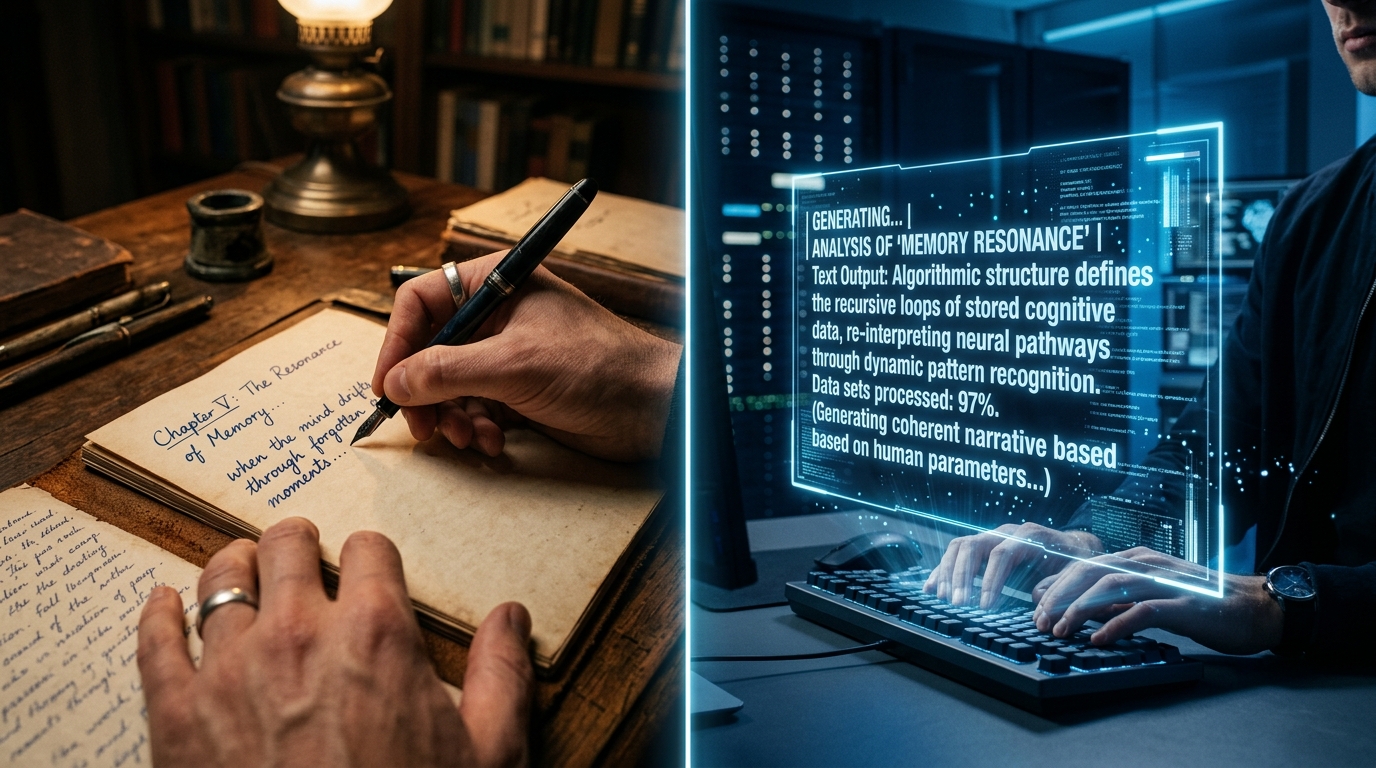
Last month, I ran the most honest experiment I've ever done on this website. I took five story premises and wrote each one twice: once using the AI Story Generator and once writing entirely from scratch. Same premises. Same genres. Same target word counts. Two completely different processes.
Then I showed both versions of each story to a group of seven readers—without telling them which was which—and asked them to rate each on voice, emotional impact, originality, and overall quality.
The results weren't what I expected. I went into this assuming the manually written versions would win across the board. They didn't. And the categories where the AI-generated versions surprised me taught me more about the craft of writing than any of the categories where manual writing won.
I'm sharing every detail: the side-by-side comparisons, the reader scores, the time investment, and my honest take on what each approach does better. No hype, no agenda—just data from a real experiment.
Table of Contents
The Experiment Design
Five story premises, each written two ways:
AI-Generated: Used StoryGeneratorHub to generate a base story, then I edited it for clarity and flow (no rewriting, just light editing).
Manual: Wrote from scratch using the same premise. Same target word count (800-1,200 words). Same genre conventions.
Evaluation: Seven readers rated each story on a 1-10 scale for voice, emotional impact, originality, and overall quality. Readers didn't know which version was which.
The Results: Full Score Comparison
| Metric | AI-Generated (Avg) | Manual (Avg) | Winner |
|---|---|---|---|
| Overall Quality | 6.1/10 | 7.8/10 | Manual (+28%) |
| Voice Distinctiveness | 4.3/10 | 8.2/10 | Manual (+91%) |
| Emotional Impact | 5.7/10 | 7.5/10 | Manual (+32%) |
| Originality | 6.8/10 | 6.4/10 | AI (+6%) |
| Time to Complete | 12 minutes | 2.5 hours | AI (12x faster) |
Manual writing won on quality, voice, and emotional impact—no surprise there. But the AI won on originality, and that finding deserves attention. The generated stories made unexpected structural choices that I wouldn't have made manually, and readers found those choices interesting even when the prose was weaker.
Side-by-Side Writing Samples
Here's one example so you can see the difference yourself. Same premise: "A person finds a key that opens a door they've never noticed in their own house."
AI-Generated Version (Lightly Edited)
The key was under the third floorboard from the left, which made no sense because Marcus had replaced all the floorboards two years ago. He held it up to the light—brass, ornate, far too old for a house built in 1998.
He found the door behind the water heater in the basement. It was narrow, painted the same color as the wall, and had no handle on this side. The key fit perfectly.
On the other side was a room he recognized. It was his childhood bedroom, exactly as it had been when he was nine. The same glow-in-the-dark stars on the ceiling. The same crack in the window. The same feeling that something terrible was about to happen.
Manual Version
Marcus noticed the key because it didn't rust. Everything else in the damp crawlspace had corroded—the old paint cans, the lawnmower blade, even the nails were weeping orange. But this key, sitting on a shelf he hadn't looked at since moving in, was clean. Brass, warm to the touch, with teeth too intricate for any lock he owned.
It took him three weeks to find the door. Not because it was hidden well. Because it was hidden in plain sight—the linen closet door, the one he opened every Sunday to change towels, had developed a second keyhole below the original. He only noticed because he dropped a pen and it rolled against the baseboard at an angle the light never reached.
The room beyond wasn't magical. It was mundane. Terrifyingly mundane: a small office with a desk, a chair, and a file cabinet. The drawer was open. Inside was a single folder with his name on it, and inside that folder were photographs of him sleeping. Taken from inside his own house. The most recent one was dated yesterday.
Reader feedback: The AI version scored higher on originality (the childhood bedroom twist was unexpected). The manual version scored higher on emotional impact (the violation of the sleeping photos created genuine dread). Both had merit.
Time & Effort Comparison
This is where the difference is starkest:
AI-Generated: Average of 12 minutes per story (1 minute to generate, 11 minutes to light edit). Total for 5 stories: 60 minutes.
Manual: Average of 2.5 hours per story (30 minutes outlining, 1.5 hours drafting, 30 minutes revising). Total for 5 stories: 12.5 hours.
The AI was 12x faster. But the quality difference was significant enough that for any story I cared about, I'd still choose the manual investment.
What Each Approach Does Better
AI Generation Excels When:
- You need volume—brainstorming 20+ story concepts quickly
- You're stuck and need an unexpected structural choice
- You're writing in an unfamiliar genre and need a template
- You want to test whether a premise is worth the manual investment
- You're practicing rewriting (taking generated text and improving it)
Manual Writing Excels When:
- Voice matters—you want a distinctive authorial presence
- Emotional depth is the goal—you need the reader to feel something
- The story draws on personal experience only you can write
- You're building toward publication or submission
- The craft of writing itself is the reward
The best approach, in my experience, is hybrid: generate for ideation and structural inspiration, then write manually for the final product. For more on this hybrid model, see our guide on improving writing skills using AI tools.
Frequently Asked Questions
Q: Are AI-generated stories as good as manually written ones?
Not on average. In my experiment, manual writing scored 28% higher on overall quality. But the AI versions scored higher on originality, which means they offer something manual writing sometimes doesn't: unexpected structural choices. The best approach uses both.
Q: Can I publish AI-generated stories?
Legally, yes—the generated content is yours to use. But ethically and practically, I'd recommend substantial rewriting. The raw generated prose lacks the distinctive voice that makes readers care. Use it as a foundation, not a finished product.
Q: Which should I use as a beginner?
Start with AI generation to overcome the blank page, then rewrite manually. This gives you the best of both worlds: the generated structure removes the paralysis, and the manual rewrite builds your craft skills. Our beginner's guide has a full walkthrough.
Q: Does AI writing improve over time?
The tools themselves improve as their datasets grow. But more importantly, your ability to use them well improves with practice. The first generated story you edit will feel awkward. By the tenth, you'll know exactly what to keep and what to rewrite. That skill compounds.
Try both approaches yourself
Generate a story. Write one from scratch. Compare. Learn.
Try the AI Story Generator